New Research: Circadian Model Initialization with Wearables
I’m pleased to share our latest publication in the Journal of Biological Rhythms, titled “Circadian phase estimation from ambulatory wearables with particle filtering: accuracy depends on initialization, recording duration, and light exposure.” This work tackles a practical challenge in translating circadian models from the laboratory to real-world wearable sensors data: how do you get reliable estimates circadian phase when you don’t know the starting phase?
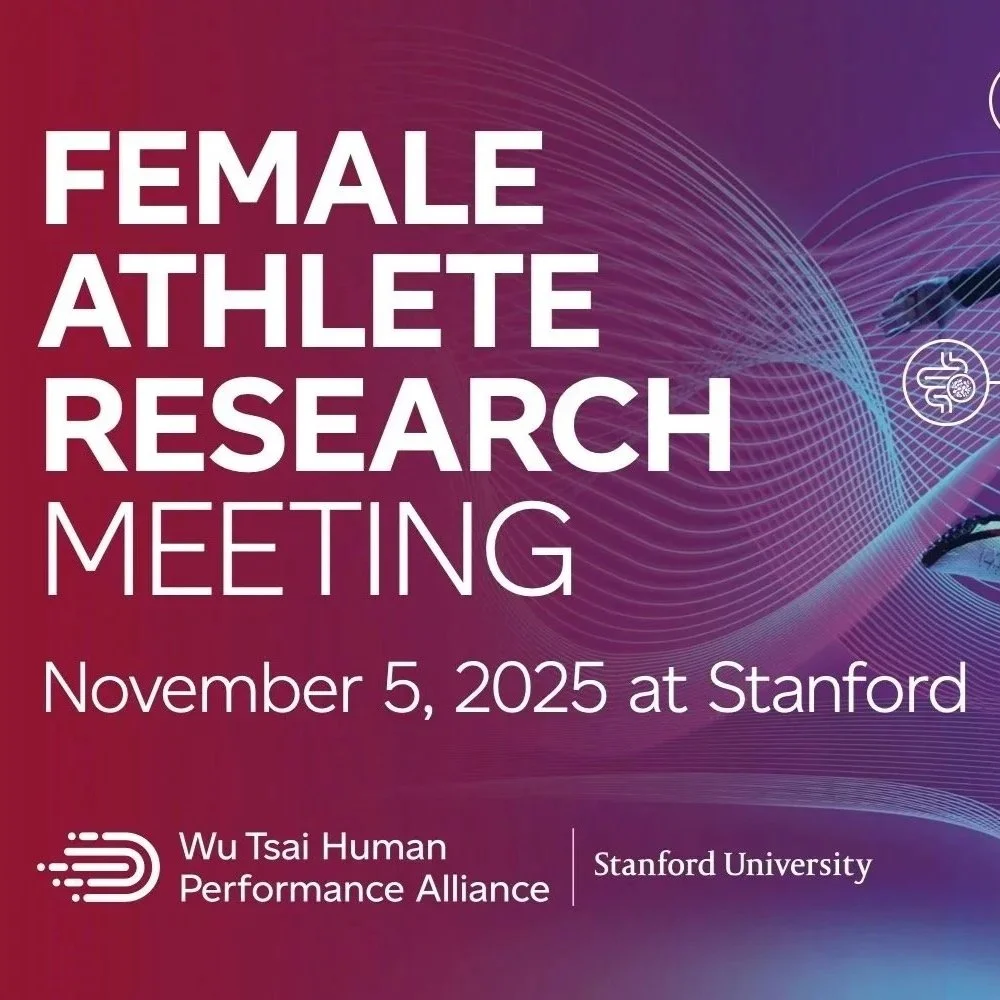
Lightning Talk: Daytime vs. Nighttime Differences in Muscle Strength and Functional Performance in Young Women — Female Athlete Research Meeting (FARM)
Check out my lightning talk from the 2025 Female Athlete Research Meeting, hosted by the Wu Tsai Human Performance Alliance at Stanford University. In my short presentation, I share early results from our work examining the dimensions of performance impacted daytime vs nighttime in young, healthy women.

New Research: Circadian Health Impacts of US Time Policy
I’m pleased to share our latest publication in PNAS, titled “Circadian-Informed Modeling Predicts Regional Variation in Obesity and Stroke Outcomes Under Different Permanent US Time Policies,” where we used the latest circadian models paired with data from the CDC to examine the health impact of permanent Standard Time, permanent Daylight Saving Time, and our current policy of switching between the two.

Welcome to Phases, a podcast about the science of rhythm and the art of timing
Welcome to Phases, a podcast about the science of rhythm and the art of timing, hosted Lara Weed, a biomedical engineer and PhD candidate exploring how we weave together time.

Circadian Rhythms and the Clock Metaphor: Where the metaphor works & where it falls apart
We often describe the body’s internal rhythms as a “clock,” but how far does that metaphor really go? In this piece, I explore where the clock metaphor helps us understand circadian biology, and where it falls apart.

The Circadian Case for Standard Time
Explore the scientific principles of circadian rhythms and their regulation by light exposure. This blog presents evidence-based arguments for adopting year-round Standard Time to support human health and align with our biological clocks.